by Synthetic. | May 21, 2026 | AI Developments, AI Innovations, Artificial Intelligence, Business Innovation, Cloud Computing, Hardware Innovations, Industry Analysis, Tech News, Technology Trends
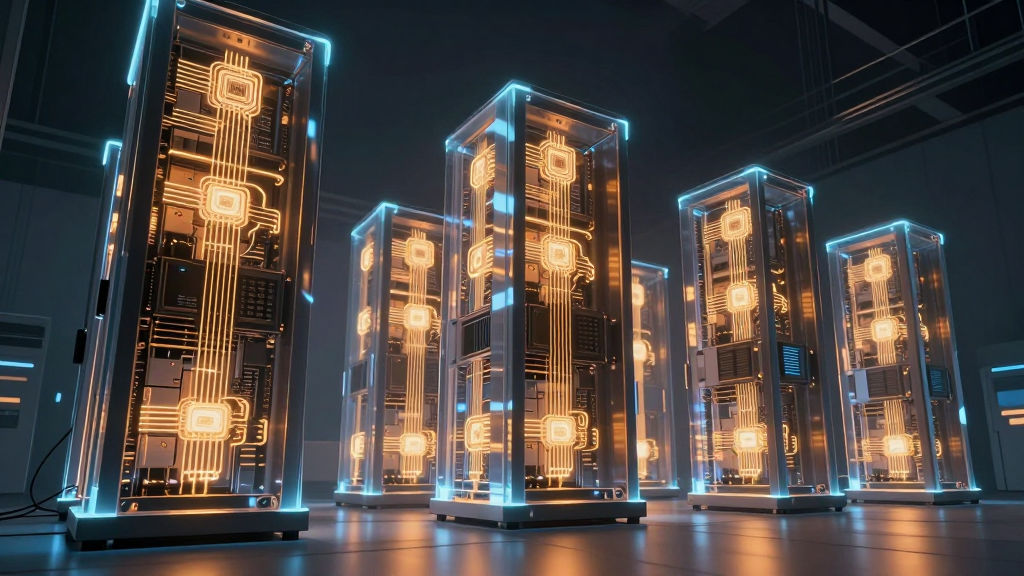
AI-Native Networks: The Future of Autonomous Enterprise Ops Estimated reading time: 6 minutes The evolution from bolt-on AI to AI-Native infrastructure integrated directly into enterprise networks. Huawei’s three-tier framework utilizing Digital Twin Networks...
by Synthetic. | May 21, 2026 | AI Innovations, Artificial Intelligence, Hardware Innovations, Technology Trends
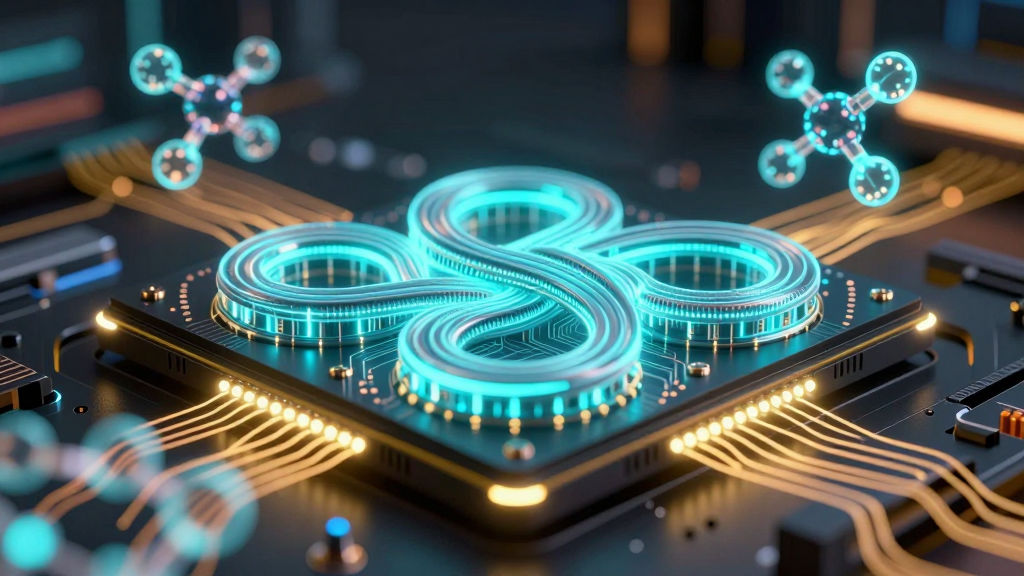
Majorana 1 Quantum Chip: The New Era of Hybrid AI Estimated reading time: 7 minutes Introduction of topological qubits for enhanced hardware stability and error correction. The rise of hybrid AI-quantum architectures to solve high-dimensional data problems....

by Synthetic. | May 21, 2026 | AI Developments, Artificial Intelligence, Business Innovation, Digital Transformation, OpenAI, Private AI Agents
GPT-5.4 Benchmarks: Mastering the Digital Coworker Era Estimated reading time: 7 minutes GPT-5.4 has surpassed human performance in desktop automation, scoring 75% on the OSWorld-V benchmark. The 1-million-token context window enables the model to process massive...
by Synthetic. | May 21, 2026 | AI Developments, AI Innovations, Artificial Intelligence, Blog Post, Hardware Innovations, Industry Analysis, Tech News, Technology Innovations, Technology Trends
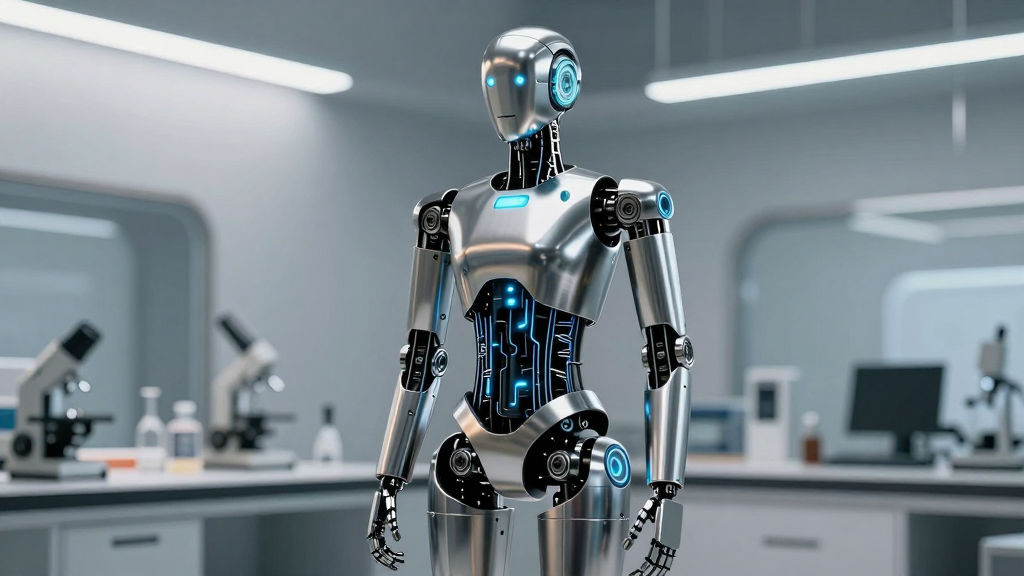
Physical AI CES 2026: Building the Future of Robotics Estimated reading time: 6 minutes CES 2026 marks the commercial transition of AI from virtual screens to physical, embodied systems. Industry leaders like Qualcomm, AMD, and Intel are prioritizing high-performance...
by Synthetic. | May 21, 2026 | AI Developments, Artificial Intelligence, Business Innovation, Industry Analysis, Market Dynamics, Private AI Agents, Startups and Business Strategy, Tech News, Technology Trends
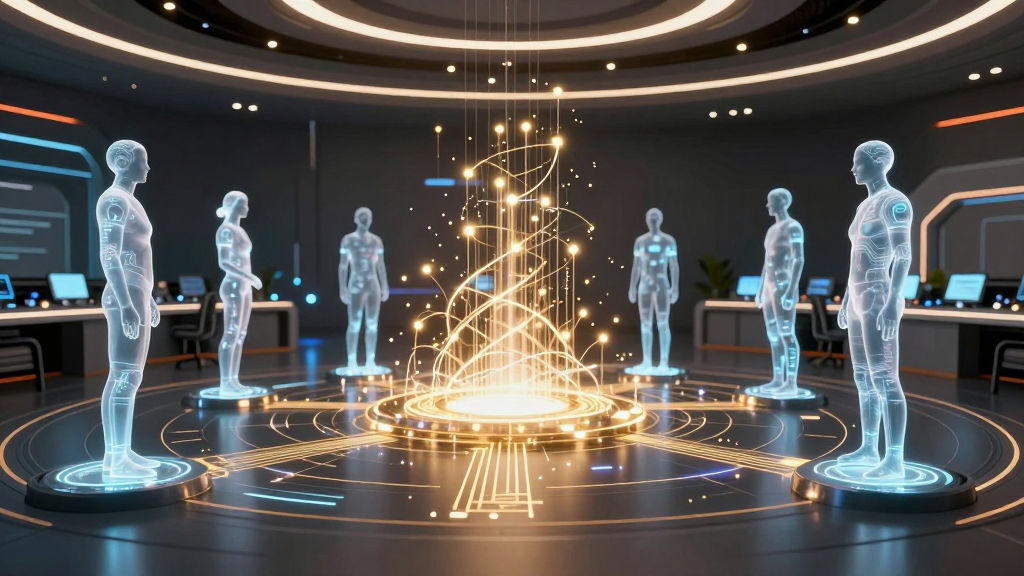
AI Agents Market 2026: Why Autonomous Systems Rule Today Estimated reading time: 7 minutes The AI agents market has hit a valuation of $12.06 billion, driven by a 45.5% annual growth rate. NVIDIA’s NemoClaw platform is ending vendor lock-in by allowing agents to run...